
Bladder Botox Injections
Effective Botox treatment for overactive bladder, reducing urgency and incontinence when medications are not enough.
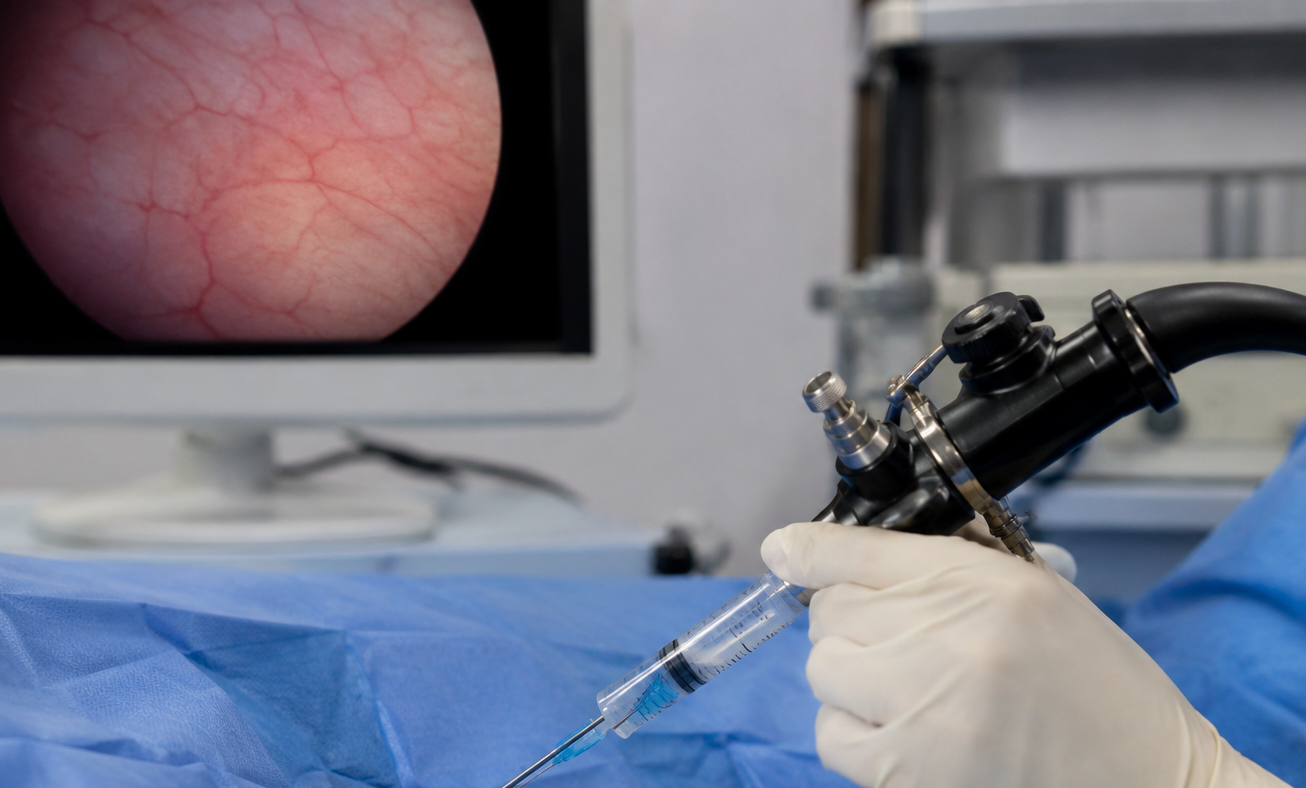
Bladder Botox Injections
What are bladder Botox injections?
Bladder Botox injections are a minimally invasive treatment used to help control symptoms of an overactive bladder. Botox (botulinum toxin) is injected into the bladder muscle using a small camera passed through the urethra (water pipe). The treatment helps relax the bladder muscle, reducing unwanted bladder contractions and improving bladder control.
The procedure is usually performed as a day-case under local or light general anaesthetic.
Indications for bladder Botox injections
Bladder Botox treatment may be recommended for patients with:
- Overactive bladder symptoms
- Urinary urgency
- Frequent urination
- Urge urinary incontinence
- Bladder symptoms not responding adequately to medication
- Neurogenic bladder conditions in selected patients
Advantages of having bladder Botox treatment performed privately
- Rapid access to specialist assessment and treatment
- Consultant-led care throughout
- Minimally invasive day-case procedure
- No external incisions or scars
- Short recovery time with quick return to normal activities
- Personalised follow-up and continuity of care
- Reduced waiting times and flexible appointments
Possible side effects and risks
Most side effects are temporary and manageable. Possible risks include:
- Mild burning or discomfort when passing urine
- Blood in the urine temporarily
- Urinary tract infection
- Difficulty emptying the bladder after treatment
- Temporary need for intermittent self-catheterisation in some patients
- Reduced effectiveness over time requiring repeat injections
- Rare allergic or adverse reactions
- Being able to perform Intermittent self-catheterisation usually a pre-request
Recovery and what to expect
Most patients return home the same day and can resume normal activities within 24–48 hours. Improvement in symptoms is usually noticed within 1–2 weeks after treatment. The effects of Botox are temporary and commonly last between 6–12 months, after which repeat treatment may be considered if symptoms return.
Follow-up is important to monitor bladder function and ensure the bladder is emptying adequately after treatment.