
Transperineal Prostate Biopsy
A highly accurate and safer method for prostate biopsy, reducing infection risk and improving cancer detection.
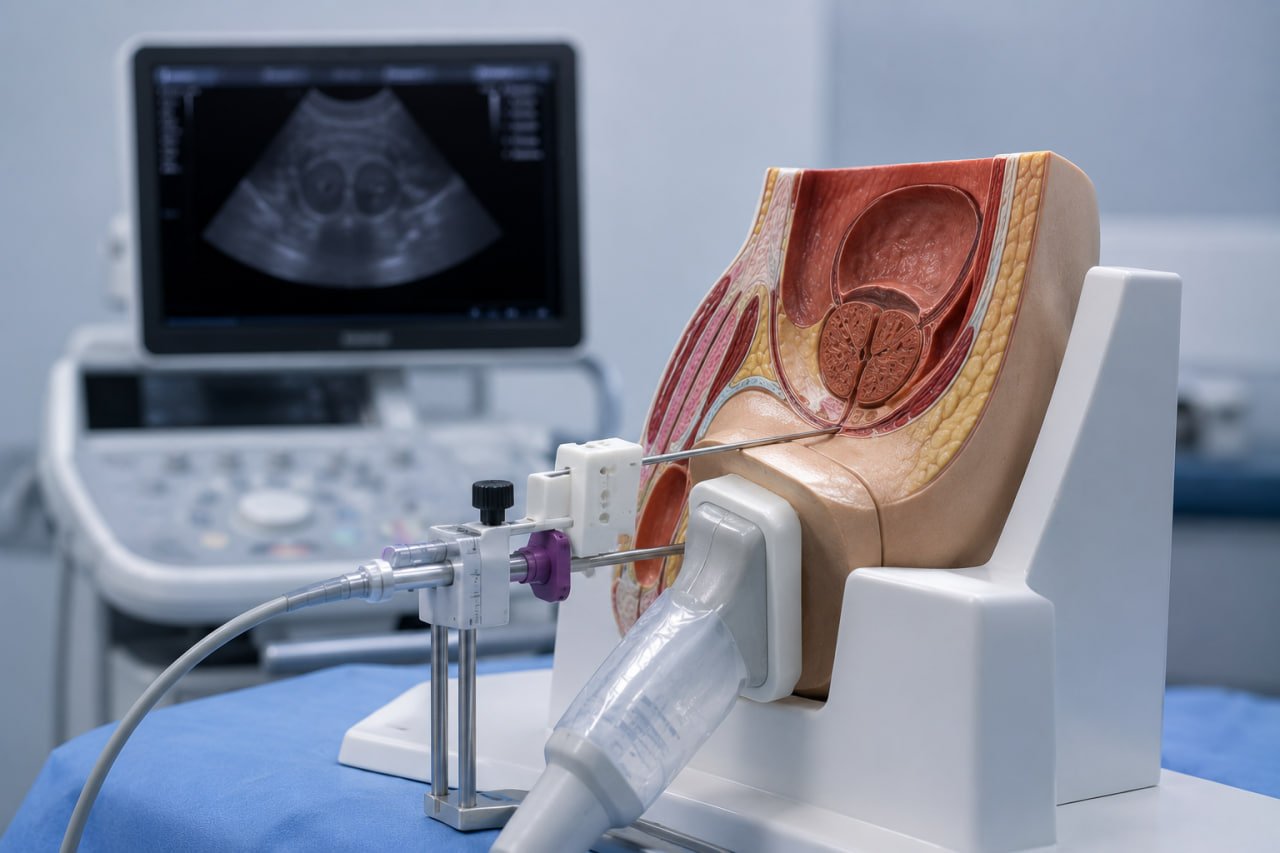
Transperineal Prostate Biopsy
A transperineal prostate biopsy is a procedure used to obtain small samples of tissue from the prostate gland for laboratory analysis. It is commonly performed to investigate raised PSA levels, abnormal MRI findings, or concerns about prostate cancer.
The biopsy is performed through the skin between the scrotum and anus (the perineum) using ultrasound guidance. This approach allows accurate sampling of the prostate while reducing the risk of infection compared with older transrectal biopsy techniques.
Indications for transperineal prostate biopsy
A transperineal prostate biopsy may be recommended for patients with:
- Raised or rising PSA (Prostate Specific Antigen) levels
- Abnormal findings on prostate MRI
- Abnormal prostate examination
- Ongoing urinary symptoms with concern about prostate disease
- Previous inconclusive prostate biopsy requiring further assessment
- Active surveillance monitoring for known prostate cancer
Advantages of having a transperineal biopsy performed privately
- Rapid access to assessment, MRI review, and biopsy
- Consultant-led care throughout the diagnostic process
- Modern biopsy techniques with reduced infection risk
- Access to advanced imaging and targeted biopsy where appropriate
- Faster results and personalised follow-up
- Reduced waiting times and flexible appointment scheduling
Possible side effects and risks
Most side effects are mild and temporary. Possible side effects include:
- Blood in the urine for a short period
- Blood in the semen, which may persist for several weeks
- Mild discomfort or bruising in the biopsy area
- Temporary difficulty passing urine
- Urinary tract infection (less common than with transrectal biopsy)
- Temporary urinary retention requiring catheterisation
- Bleeding requiring further treatment (rare)
- Sepsis or severe infection (very rare)
Recovery and what to expect
Most patients return home the same day and can resume light activities within 24–48 hours. Mild discomfort and temporary bleeding are common after the procedure. Drinking plenty of fluids and avoiding strenuous activity for a few days is usually recommended. Biopsy results are typically available within 1–2 weeks and will be discussed in detail during follow-up consultation.